Do Heated Drying Racks Work? What Actually Speeds Up Drying
Disclosure: My Pick Review may earn a commission from some links on this site. This guide is editorially independent.
Yes, heated drying racks work—but they are not miniature tumble dryers. They warm the rails and the clothing touching them, which can accelerate evaporation compared with an unheated rack. The result still depends heavily on airflow, humidity, garment spacing and room temperature.

Quick answer
A heated rack is most useful when indoor air drying is too slow but you do not need the speed of a tumble dryer. It can be especially practical in apartments, rainy climates, winter months or homes without a dryer hookup.
Why heat helps clothes dry
Drying occurs when water in the fabric evaporates into the surrounding air. Adding gentle heat raises the temperature of the wet fabric and can increase the rate of evaporation.
But evaporation is only half the process. The room must also carry that moisture away. If the surrounding air becomes saturated with humidity, drying slows.
Why airflow matters as much as heat
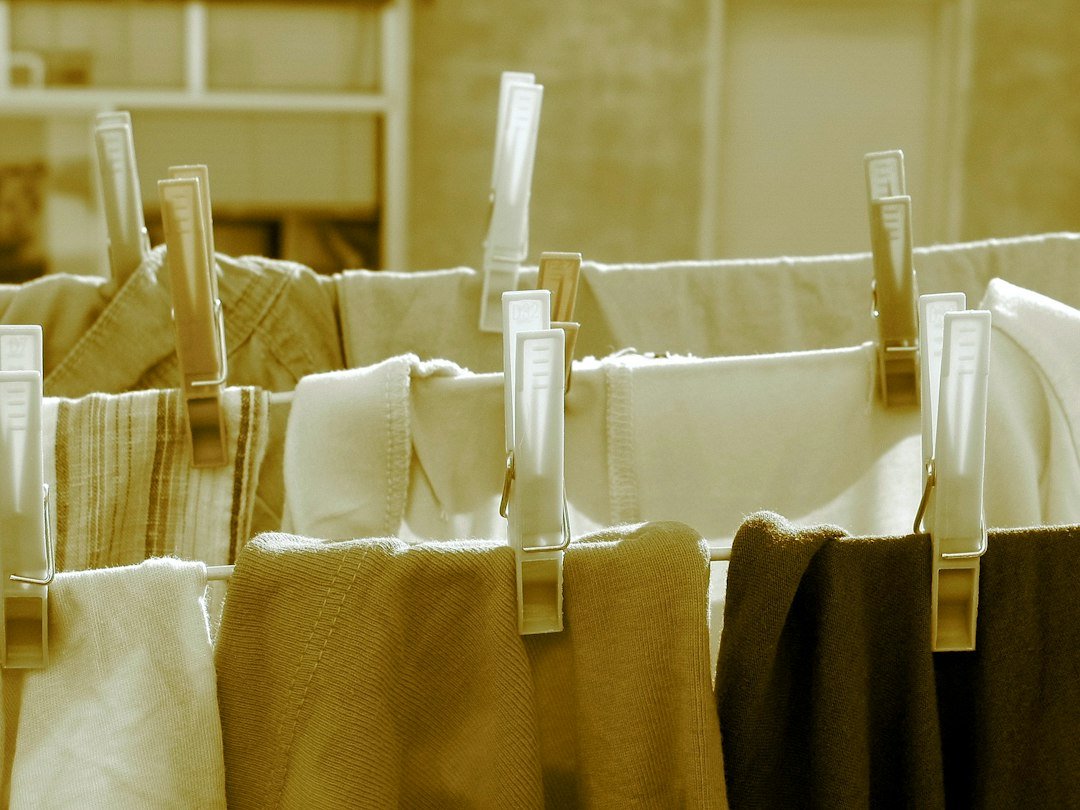
Warm rails can only do so much when clothes are bunched together. Leave gaps between garments so moisture can escape and room air can move around them.
Independent 2026 buying guides consistently emphasize capacity, spacing, airflow and covers because these factors strongly influence real drying time.
Do covers help?
A fitted cover can trap warm air around the laundry and may improve drying efficiency, especially on tiered racks. But a cover should still allow the system to operate as designed and moisture must ultimately leave the enclosed space.
Do not improvise with blankets, sheets or other coverings unless the manufacturer specifically allows it; blocking heat or airflow can create a safety issue.
What slows a heated drying rack down?
- Overloading the rails
- Garments touching or folded too thickly
- High indoor humidity
- Poor room ventilation
- Heavy towels, jeans and bedding
- Very wet laundry coming straight from the washer
An extra spin cycle can help
Removing more water in the washing machine before hanging clothes can substantially reduce the amount of moisture the rack needs to evaporate. This is often one of the easiest ways to shorten indoor drying time without adding more heat.
Heated rack vs unheated rack
A heated rack normally has an advantage in cool indoor conditions because it adds energy directly to the garments. An unheated rack costs nothing to run but relies entirely on room temperature, airflow and humidity.
Whether the heated version is worth paying for depends on how often slow indoor drying is a problem.
Heated rack vs drying pod
A drying pod usually combines warm moving air with an enclosure. That can dry clothes faster, but it normally uses a fan and potentially a higher-power heating element.
A rail-style heated rack is often quieter and simpler, while a pod is more focused on speed.
What about moisture and condensation?
Any indoor drying method releases water into the room. A heated rack does not make that moisture disappear—it helps move it from the fabric into the air.
If windows begin to mist or the room feels damp, improve ventilation or consider a dehumidifier. Prolonged high indoor humidity can contribute to condensation and mold problems.
Do heated racks damage clothes?
They avoid the mechanical tumbling of a dryer, which can be gentler for some garments. However, heat-sensitive fabrics may still have care restrictions. Always check the label.
How much electricity do they use?
It depends entirely on wattage and runtime. The calculation is:
Power in kW × hours × electricity price per kWh
A lower-wattage rack used for many hours can still consume meaningful energy, while a higher-wattage drying pod may finish sooner. Compare total kWh per drying session, not watts alone.
Example product: Maas & Bath Heated Drying Rack
The Maas & Bath Heated Drying Rack is a foldable model with a manufacturer-stated thermostatic rail temperature of 113–131°F (45–55°C). Its current product page does not clearly publish wattage, so we do not assign it a running-cost figure.
Check the current Maas & Bath Heated Drying Rack offer.
Bottom line
Heated drying racks work best as a middle ground: faster than passive air drying, generally slower than tumble drying, and often easier to use in small homes or apartments.
The biggest performance factors are not marketing phrases—they are rail temperature, wattage, garment spacing, airflow, indoor humidity and how much water remains in the laundry after the wash cycle.
Next, see our heated drying rack vs tumble dryer comparison.
As an Amazon Associate I earn from qualifying purchases.