Heated Drying Rack vs Tumble Dryer: Cost, Speed and Clothes Care
Disclosure: My Pick Review may earn a commission from some links on this site. This guide is editorially independent.
A heated drying rack and a tumble dryer solve the same problem in very different ways. The rack uses gentle heat over a longer period, while the dryer uses much higher heat and airflow to remove moisture quickly.
Quick answer
Choose a heated drying rack if you value low equipment complexity, quiet operation, foldable storage and gentler drying—and can wait several hours.
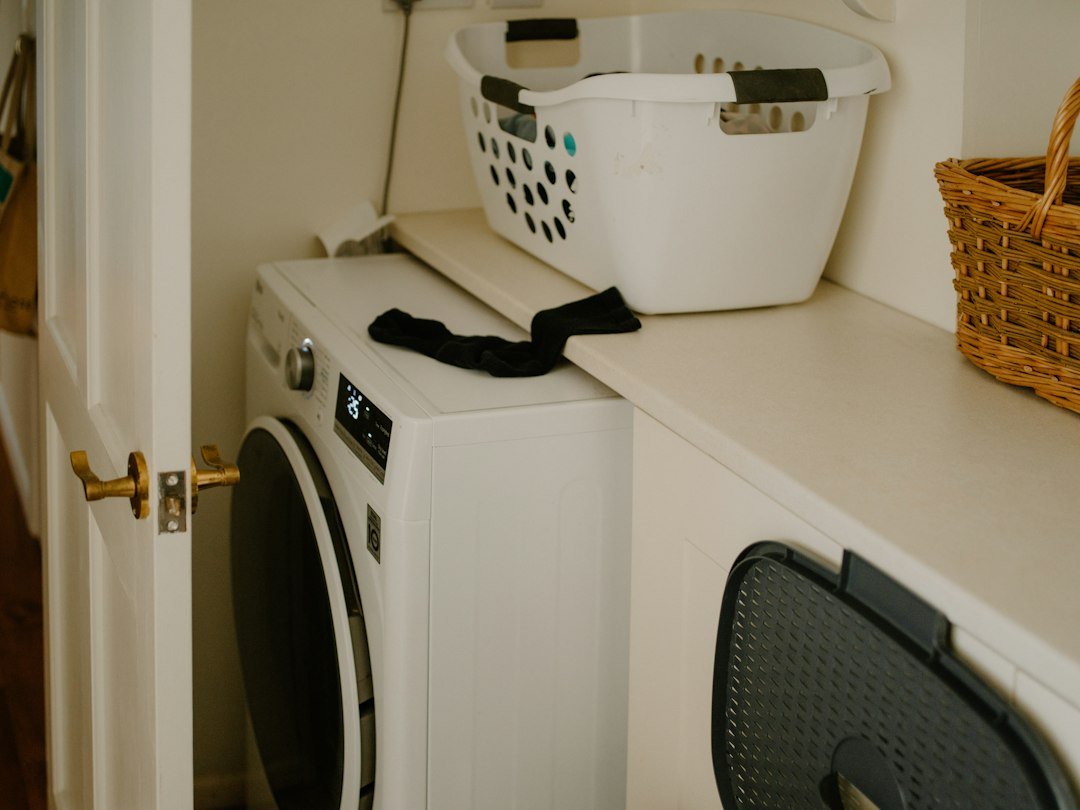
Choose a tumble dryer if speed and high laundry throughput matter most and you have the space, electrical setup and budget for it.
Heated drying rack vs tumble dryer at a glance
| Factor | Heated Drying Rack | Tumble Dryer |
|---|---|---|
| Drying speed | Usually several hours | Usually much faster |
| Noise | Often silent or very quiet | Motor, drum and airflow noise |
| Installation | Usually plug-in and foldable | Needs dedicated space; some types need venting or higher electrical capacity |
| Garment movement | No tumbling | Continuous tumbling |
| Indoor moisture | Released into the room | Vented, condensed or collected depending on dryer type |
| Upfront cost | Typically lower | Typically higher |
| Throughput | Lower | Higher |
Which dries faster?
The tumble dryer, by a wide margin in most cases. A dryer combines substantial heat with forced airflow and constant garment movement.
A heated rack warms the clothing more gently, so even when it costs less per hour, it may need many more hours to finish a load.
Which costs less to run?
You need the wattage and runtime of both appliances. The correct comparison is total energy per load:
kWh per load = power in kW × hours of operation
A lower-wattage heated rack can be cheaper per drying session even though it runs much longer. But this cannot be assumed for every model.
Independent 2026 heated-airer testing continues to evaluate both drying time and running cost because one without the other is misleading.
Which is gentler on clothes?
A heated rack avoids drum tumbling, which can be helpful for garments prone to friction, shrinking or distortion. However, not every garment should be exposed to heat, and some items must be dried flat.
A tumble dryer offers speed and convenience but can subject clothing to more heat and mechanical action.
Which is better for apartments?
A heated rack can be attractive because it folds away and typically needs only a standard outlet. It does not require a dryer vent or permanent installation.
The tradeoff is indoor moisture. Drying a load inside releases water into the room, so ventilation or a dehumidifier may be necessary.
Which is better for families?
High-laundry households often benefit from the throughput of a tumble dryer. Waiting many hours per rack load can become impractical when several loads are needed each day.
A heated rack can still be useful as a second drying option for delicates, overflow laundry or items you do not want to tumble.
Which is quieter?
Rail-style heated racks are typically very quiet because they do not need a rotating drum. Some drying pods use fans and are therefore louder.
The Maas & Bath Heated Drying Rack is specifically marketed as operating quietly, although we have not independently measured its sound output.
Example: Maas & Bath Heated Drying Rack
The Maas & Bath Heated Drying Rack currently lists a thermostatic rail temperature of 113–131°F (45–55°C), an 8.35 lb weight and a foldable design. The manufacturer page we reviewed does not clearly provide wattage, so we cannot make a fair per-load cost comparison for this exact model yet.
Check the current Maas & Bath Heated Drying Rack offer.
Can you use both?
Yes. Many households can use a tumble dryer for towels, bedding and urgent loads while using a heated rack for delicates, smaller loads or overnight drying.
That combination can reduce unnecessary tumble drying without sacrificing speed when it matters.
Bottom line
A heated drying rack is the better fit when space, simplicity, quiet operation and gentler drying matter more than speed. A tumble dryer wins when you need fast, repeatable drying for large amounts of laundry.
The most useful comparison is not hourly power alone—it is total electricity per completed load, drying time, moisture handling and how the method fits your home.
For category basics, read do heated drying racks work?.
As an Amazon Associate I earn from qualifying purchases.