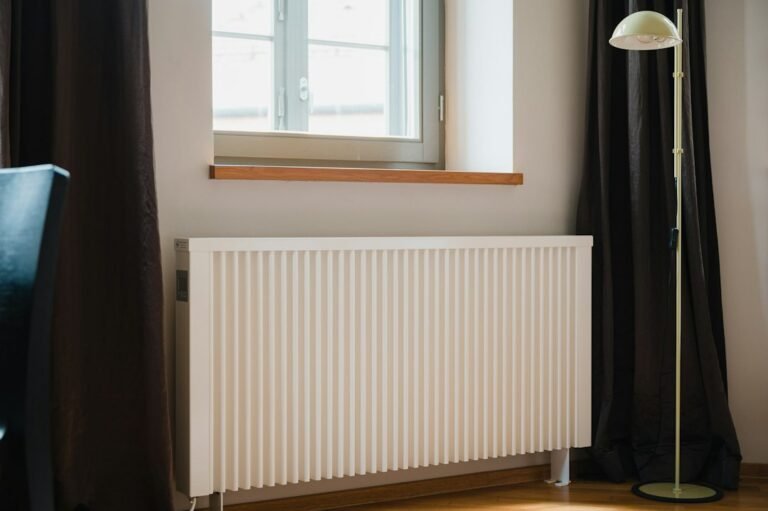
Portable Heater Safety and Buying Guide for Small Rooms
Disclosure: Some links on My Pick Review may be affiliate links. This guide is editorially independent.
A portable heater can make a small occupied area more comfortable, but it should not be chosen on marketing language alone. Room size, electrical load, placement, thermostat behavior, noise, stability, and independently certified safety features all matter.
This guide replaces an earlier version that contained unsupported hands-on testing and customer-performance claims. We have not physically tested the heaters previously shown on this URL, so we have removed those rankings and testimonials.
Quick buying checklist
- Choose a heater intended for the room and location where it will be used.
- Look for a current certification mark from a recognized testing organization.
- Prefer tip-over and overheat protection.
- Use a wall outlet rather than an extension cord or power strip unless the manufacturer explicitly permits otherwise.
- Keep the heater away from bedding, curtains, furniture, paper, and walkways.
- Do not use an indoor heater in a wet area unless it is specifically designed and rated for that environment.
Start with the room, not the product claim
Portable electric heaters are best treated as supplemental heat for an occupied area. A small unit cannot safely or efficiently solve every insulation, ventilation, or whole-home heating problem. Measure the room, note ceiling height and drafts, and check the manufacturer’s stated application.
Claims such as “heats any room in minutes” need context. The result depends on heater wattage, room volume, starting temperature, insulation, airflow, and outdoor conditions.
Types of portable electric heaters
Ceramic fan heaters
These move warmed air with a fan and can provide a quick sensation of heat. Compare fan noise, thermostat controls, stability, and how easily dust can be cleaned according to the manual.
Oil-filled radiators
These are generally slower to change room temperature but can provide steady, quiet heat. They are larger and their exterior surfaces can become hot, so placement remains important.
Infrared or radiant heaters
Radiant models warm nearby people and surfaces more directly. They may be useful when you remain in one area, but clearance from combustible materials is essential.
Safety features worth checking
Tip-over protection
A tip-over switch is intended to stop heating if a unit falls. It does not make unsafe placement acceptable. Put the heater on a stable, level surface where it will not be struck by people or pets.
Overheat protection
This can shut the heater down when internal temperature rises abnormally. Keep air inlets and outlets clear and follow cleaning instructions.
Recognized certification
Check the current product and packaging for certification applicable to the US market. A logo shown only in an advertisement should be verified against the actual model.
Thermostat and timer
A thermostat can reduce unnecessary operation once the selected temperature is reached. If a timer is provided, use it only as directed; it is not a substitute for safe placement and supervision.
Electrical-load considerations
Many full-power portable heaters draw a substantial continuous load. Read the nameplate and manual, use an appropriate wall outlet, and stop using the unit if the plug, outlet, or cord becomes unusually hot. Do not conceal the cord under a rug.
Energy cost depends on wattage, run time, thermostat cycling, and your electricity rate. A defensible estimate uses:
Cost = heater kilowatts × hours used × electricity rate per kilowatt-hour.
That is more reliable than a fixed “cents per hour” claim that ignores local rates and actual operation.
Bedroom and overnight use
Follow the manufacturer’s instructions and local fire-safety guidance. Keep the heater well away from bedding and never place it on a nightstand unless the model’s instructions explicitly permit that location and required clearances can be maintained. Do not rely on marketing claims of silent or unattended overnight operation.
Homes with children or pets
Use barriers and placement that prevent contact with hot surfaces, cords, and controls. A child or pet can knock over a heater or pull its cord even when a tip-over switch is present.
Red flags in portable-heater advertising
- Guaranteed dramatic reductions in whole-home heating bills
- Claims that a tiny unit heats any room regardless of size
- Ratings or testimonials without a traceable source
- Countdown timers or discounts that reset
- Safety claims without a model-specific manual or certification
- Images that do not match the delivered product
Current product example: Hexa Heat
Hexa Heat is a compact ceramic portable heater currently marketed at 1200W on its highest setting. Merchant materials list overheat protection, tip-over protection, temperature control, portability, and a 90-day money-back guarantee.
Those features make it relevant to shoppers looking for supplemental heat, but room-heating speed and energy-savings claims should not be treated as guaranteed. At 1200W, continuous full-power operation uses about 1.2 kWh per hour, so actual running cost depends on your electricity rate and thermostat cycling.
Read our full Hexa Heat portable heater review for the safety, cost, and performance considerations, or check the current Hexa Heat offer.
Current product example: Top Heat
Top Heat is another compact ceramic heater in our current research. Its merchant page advertises temperature control, a timer, LED display, fan-assisted airflow and automatic overheat shutdown. One caution: the same page currently says 500W in marketing copy but 650W low / 1200W high in the FAQ, so verify the delivered model’s electrical label before relying on an operating-cost claim.
Read our Top Heat review or compare Hexa Heat vs Top Heat.
Our methodology
We compare published specifications, manuals, safety documentation, dimensions, controls, and clearly attributable customer-feedback patterns. We do not claim physical testing unless the article documents what was tested, for how long, and with what measurements.
Related heater cost guides
If electricity cost is your main concern, see how much a 1200W space heater costs to run. If you are deciding whether targeted room heating is cheaper than your existing system, read our space heater vs central heating comparison.
Bottom line
Choose a portable heater based on the room, electrical requirements, verified safety features, controls, and placement—not urgency-driven promotion. No heater eliminates the need for clearances, a suitable outlet, smoke alarms, and responsible use.
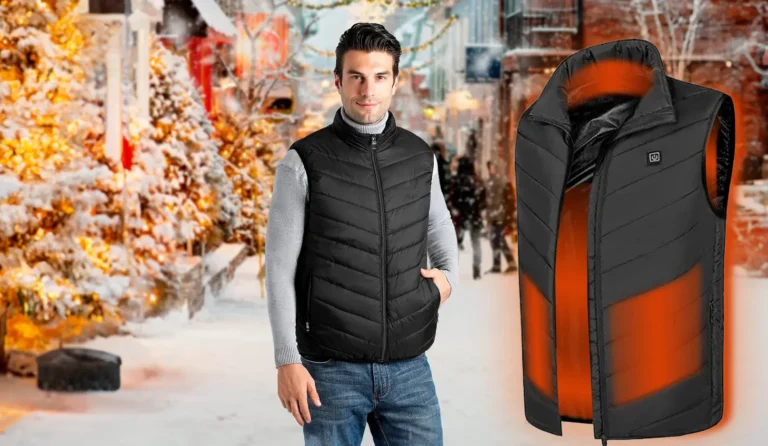
For wearable warmth rather than room heating, see our heated-vest comparison. For indoor laundry drying rather than room heating, see how heated drying racks work.
As an Amazon Associate I earn from qualifying purchases.