Heated Vest vs Heated Jacket: Which Should You Buy?
Disclosure: My Pick Review may earn a commission when you buy through links on this page. This does not affect our editorial conclusions.
If you are choosing between a heated vest and a heated jacket, the main difference is not simply warmth. It is how you want to build your cold-weather clothing system.
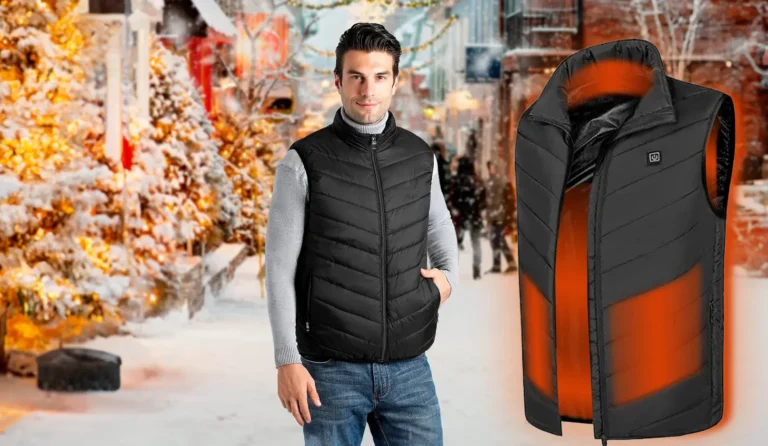
A heated vest focuses powered warmth on the torso while leaving the arms free. A heated jacket covers more of the body and may add heated areas in the sleeves or arms, depending on the model. The better choice depends on your climate, activity, layering habits, battery expectations, and whether you need weather protection from the garment itself.

Quick answer
Choose a heated vest if you want lighter weight, easier layering, better arm mobility, and a garment that can work under different outer jackets.
Choose a heated jacket if you want more coverage from one garment, spend long periods outdoors in colder conditions, or prefer not to build warmth from multiple layers.
Heated vest vs heated jacket at a glance
| Factor | Heated Vest | Heated Jacket |
|---|---|---|
| Powered coverage | Mainly torso; exact zones vary | Torso plus potentially broader coverage, depending on model |
| Arm mobility | Excellent | Depends on jacket bulk and cut |
| Layering | Very flexible under different shells | Usually functions more as a primary outer layer |
| Weight | Usually lighter | Usually heavier |
| Indoor use | Easier to keep on | Can feel bulky or overly warm indoors |
| Weather protection | Depends on outer layer | Potentially better if jacket includes wind/rain protection |
| Battery demand | Can be lower with fewer heated areas | Can be higher if more areas are powered |
| Best for | Layering, commuting, mobility, mixed conditions | Long outdoor exposure and one-garment simplicity |
Warmth coverage
A heated jacket can provide more total coverage because it includes sleeves, although the exact heating layout varies by product. A heated vest concentrates heat around the torso, where many manufacturers place panels on the chest, back, neck, or pockets.
The practical question is whether you need powered heat in the arms or whether core warmth plus ordinary insulated sleeves is enough. For many users, a heated vest under a good outer jacket provides a flexible system because the outer jacket still insulates the arms and blocks wind.
Layering flexibility
This is one of the biggest differences. A heated vest can be worn:
- over a base layer in mild cold,
- under a rain shell,
- under a windproof jacket,
- under a heavy winter coat, or
- indoors when a full jacket would feel excessive.
A heated jacket is usually less flexible because it already acts as a major outer layer. It can still be layered, but the combination may become bulky more quickly.
For sizing and layering details, see our heated-vest fit guide.
Mobility and activity
A vest leaves the shoulders and arms unrestricted by sleeves, which can matter for work, hunting, driving, hiking, photography, climbing, or other activities requiring upper-body movement.
A jacket may provide more insulation but can also introduce extra bulk around the arms. Whether that matters depends on the cut of the jacket and the activity.
Battery life: which usually lasts longer?
There is no universal answer because battery life depends on battery energy, electrical draw, heat setting, panel size, controller design, ambient temperature, and battery condition.
However, a vest can sometimes use less energy because it may power fewer or smaller areas than a jacket. That does not mean every vest will outlast every jacket. Compare actual electrical specifications and runtime claims rather than relying on garment type alone.
Our battery runtime calculator can help you compare claims more logically.
Battery weight and placement
Both garment types require somewhere to store the battery. In a vest, the battery is often carried around the waist or lower torso. In a jacket, the pocket may be similar or may be positioned elsewhere.
Battery location can affect comfort while sitting, driving, wearing a backpack, or using a safety harness. Always check the pocket position rather than assuming it will be unobtrusive.
Weather protection
A heated jacket can be the better one-piece solution if the shell itself is designed to block wind, shed light precipitation, or provide substantial insulation.
A heated vest depends more heavily on your outer layer in harsh conditions. That can be an advantage if you already own a high-quality waterproof or windproof shell, because you can combine the vest with the jacket best suited to the weather.
Indoor comfort
A heated vest is generally easier to keep on indoors because there are no insulated sleeves. That can be useful for warehouses, offices, workshops, arenas, or vehicles where temperatures fluctuate.
A heated jacket is more likely to feel bulky or too warm once you move indoors, especially if the jacket has substantial passive insulation in addition to the powered heat.
Cost considerations
A heated vest can be a cost-effective choice when you already own suitable outer jackets. Instead of buying another complete winter coat, you are adding a powered mid-layer that can work with multiple shells.
A heated jacket may cost more, but it can replace the need for a separate heated layer and outer shell if the jacket already provides the weather protection and insulation you need.
Do not compare garment price alone. Also check whether the battery and charger are included. A lower-priced vest with a separately sold power bank may end up costing more than expected.
Which is better for commuting?
For many commuters, the vest is more adaptable. It can provide heat while walking or waiting outdoors and then remain comfortable when entering a car, train, office, or shop.
A heated jacket may be better for long motorcycle rides, extended outdoor waits, or very cold commutes where arm coverage and weather protection matter more than indoor convenience.
Which is better for outdoor work?
Choose based on movement and exposure. A vest can be better for jobs requiring frequent arm movement or for workers who already wear a protective outer jacket. A heated jacket may be preferable when the worker needs full insulated coverage and does not already have a required outer shell.
Which is better for hunting?
A heated vest can work well for hunting because it keeps the arms free and fits beneath hunting outerwear. Battery-pocket position, fabric noise, control access, and harness compatibility are especially important.
See our heated vest for hunting guide and TIDEWE heated hunting vest review.
Which is better for hiking?
A vest can be easier to regulate because hikers generate substantial body heat while moving. The user can switch the heat off or lower it while climbing, then increase it during rest stops.
A heated jacket may make more sense for low-intensity winter walking or conditions where wind and cold exposure remain high throughout the activity.
What about washing and care?
Both require careful adherence to the manufacturer’s instructions. Batteries normally need to be removed before washing, and connectors may need protection. Machine washing, hand washing, drying method, and cycle requirements vary by garment.
Which should first-time buyers choose?
If you are unsure, a heated vest is often the more flexible first purchase because it works with outerwear you already own. It lets you experiment with powered clothing without committing to one jacket style for every condition.
A heated jacket makes more sense when you already know you want a single outer garment with broader coverage and will use it primarily outdoors.
Current heated-vest options we cover
Our current vest shortlist includes the Solana Gear Heated Vest, InoKraft women’s heated vest, InoKraft men’s IKB4L40, TIDEWE hunting vest, and PBNBP heated vest.
Bottom line
Buy a heated vest if flexibility, layering and arm freedom matter most. Buy a heated jacket if broader coverage and a one-garment outerwear solution matter more.
There is no universal winner. The better choice depends on how much time you spend outdoors, how active you are, whether you already own good outerwear, and how much battery management you are willing to accept.
If a vest sounds like the better fit, start with our five heated vests compared.
As an Amazon Associate I earn from qualifying purchases.